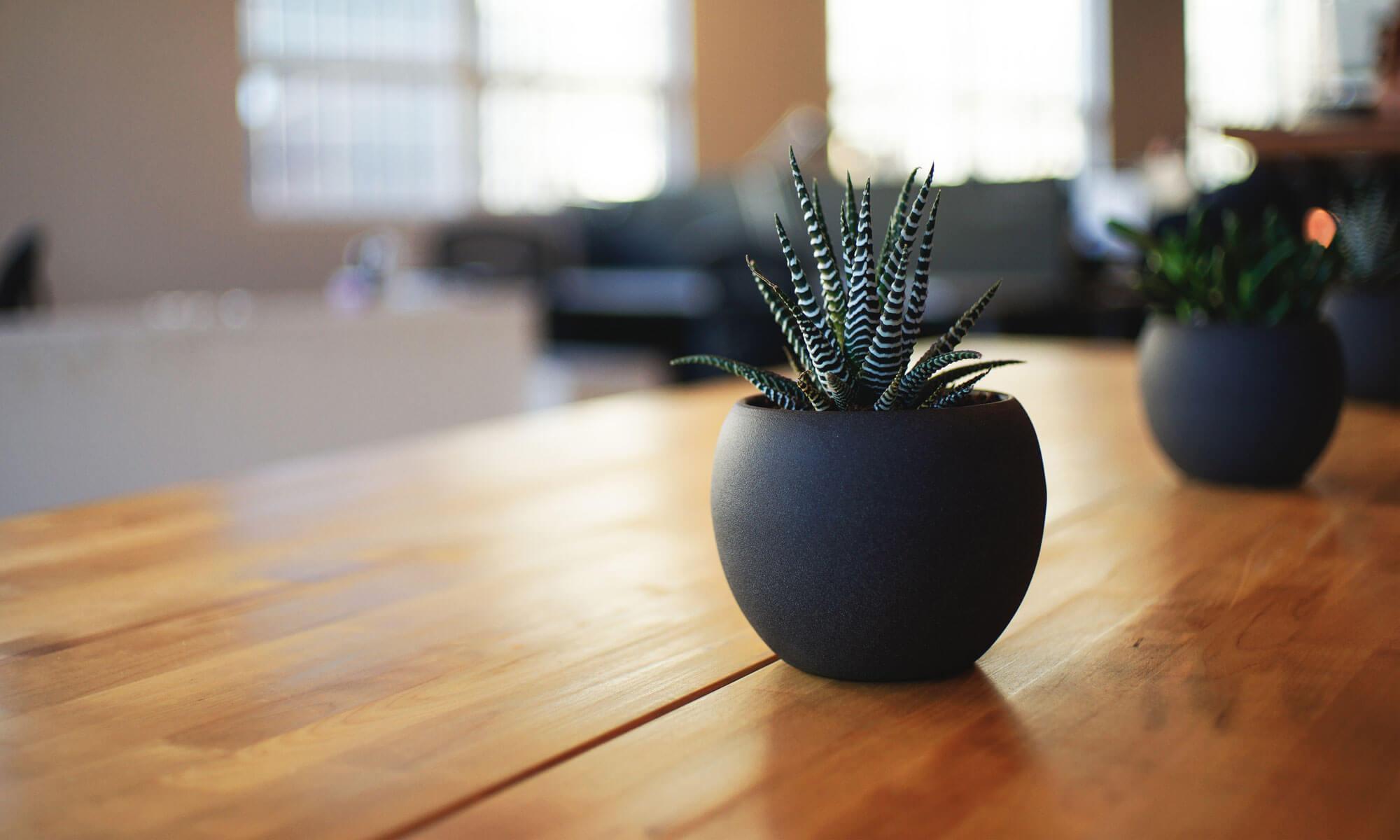
- Remarkable artistry flourishes around bon rush for devoted collectors
- The Historical Roots and Evolution of the Aesthetic
- The Rise of Vintage and Secondhand Culture
- Identifying Characteristics and Common Items
- Popular Collectibles and Trends
- The Community and Market Dynamics
- Factors Influencing Price and Value
- The Role of Interior Design and Styling
- Contemporary Interpretations and Future Trajectories
Remarkable artistry flourishes around bon rush for devoted collectors
The world of collecting encompasses a vast and diverse range of passions, from antique furniture and rare coins to modern art and vintage toys. Within this landscape, certain items and movements capture the imagination of dedicated enthusiasts, driving both market value and artistic recognition. The allure often lies in the unique story behind each piece, the craftsmanship involved, or the cultural significance it represents. Recently, a particular style and associated aesthetic – often referred to as bon rush – has been gaining significant traction, captivating collectors with its particular charm and evolving character. It’s a phenomenon that blends nostalgia, artistic expression, and a desire for objects that tell a story.
This burgeoning interest isn't just about acquiring possessions; it’s about investing in narratives, embracing imperfection, and celebrating a specific sensibility. The items associated with this trend often carry a sense of history and personality, moving beyond purely functional objects to become pieces of art in their own right. Collectors are actively seeking out pieces that embody this aesthetic, leading to increased demand and the establishment of a vibrant community centered around sharing, appreciation, and thoughtful curation. Understanding the nuances of this style, its origins, and its appeal is crucial for anyone interested in participating in, or simply observing, this fascinating cultural movement.
The Historical Roots and Evolution of the Aesthetic
The genesis of what is now known as this distinctive style can be traced back to several key influences. Post-war design, particularly that of the mid-20th century, plays a significant role. The optimistic spirit of the era, combined with innovative materials and a focus on functionality, laid the groundwork for the aesthetic’s embrace of clean lines, bold colors, and a certain playful sensibility. However, it isn’t merely a revival of mid-century modernism. It’s a reinterpretation, a remixing of influences that also includes elements of Art Deco, Pop Art, and even a touch of Victorian romanticism. This blending creates a unique visual language that feels both familiar and distinctly new. The early influences are not strictly defined, and often involve items with a sense of naive artistry, often handmade or produced on a small scale, resulting in items with slightly imperfect, human qualities.
The Rise of Vintage and Secondhand Culture
A crucial factor in the ascent of this style has been the increasing popularity of vintage and secondhand culture. Consumers are becoming more conscious of sustainability and the environmental impact of mass production. This has led to a growing appreciation for well-made, durable goods that have stood the test of time. The desire to own something unique and with a history, rather than a mass-produced item, is also a strong motivating factor. This shift in consumer behavior has fueled the demand for items that align with the characteristics of the aesthetic, driving up prices and expanding the market. The accessibility of vintage shopping, both online and in brick-and-mortar stores, has also made it easier for collectors to discover and acquire pieces.
| Era | Influencing Style | Key Characteristics |
|---|---|---|
| 1950s-1960s | Mid-Century Modern | Clean lines, organic shapes, bold colors, functionality |
| 1920s-1930s | Art Deco | Geometric patterns, luxurious materials, stylized ornamentation |
| 1950s-1970s | Pop Art | Bright colors, iconic imagery, playful designs |
The table above illustrates some of the core eras and aesthetics that have fed into the flowering of this style. Recognizing these influences helps to understand how the aesthetic developed its appeal and how collectors identify core elements of the look.
Identifying Characteristics and Common Items
Pinpointing the exact characteristics of the style can be challenging, as it’s more of a feeling or a sensibility than a rigid set of rules. However, certain elements consistently appear in pieces that are considered representative of the aesthetic. A fondness for bold colors, often combinations that might seem unconventional at first glance, is a common thread. Geometric patterns, particularly those inspired by mid-century modern design, are also frequently seen. There's a deliberate embrace of imperfection – a chipped glaze on a ceramic vase, a slightly faded print on a textile, or a minor repair on a piece of furniture. These flaws aren’t seen as detracting from the value of the object, but rather as adding to its character and history. A sense of whimsy also prevails, a cheerful and playful spirit that reflects a desire for joy and self-expression.
Popular Collectibles and Trends
Several specific items have become particularly sought-after by collectors seeking to embody this aesthetic. Vintage glassware, especially pieces with bold colors and unique shapes, are consistently popular. Mid-century modern furniture, particularly chairs, tables, and storage units, are also highly desirable. Wall art, including vintage posters, prints, and paintings, often features geometric patterns, abstract designs, or playful illustrations. Textiles, such as rugs, cushions, and throws, add texture and color to spaces. Furthermore, unique and quirky decorative objects, like ceramic figurines, vintage toys, and unusual lighting fixtures, are often incorporated into collections. The search for original pieces continues to drive exploration within various flea markets and online auction platforms.
- Vintage Glassware: Bold colors and unusual shapes are key.
- Mid-Century Furniture: Functional and aesthetically pleasing designs.
- Wall Art: Geometric patterns and playful illustrations.
- Textiles: Adding texture and colour through vintage rugs and cushions.
- Decorative Objects: Unique pieces that showcase personality.
These defining collectibles provide a framework for appreciating the aesthetic and understanding the elements that make it so appealing. The community surrounding this style fosters interest in these objects and encourages a like-minded approach to interior design.
The Community and Market Dynamics
A strong and vibrant community has emerged around this aesthetic, connecting collectors, enthusiasts, and sellers from around the world. Social media platforms, particularly Instagram and Pinterest, have played a crucial role in facilitating this connection. Collectors share their finds, exchange ideas, and inspire one another. Online marketplaces, such as Etsy and eBay, provide platforms for buying and selling vintage and secondhand items. Dedicated vintage shops and antique stores also serve as important hubs for the community. This network of individuals and businesses helps to sustain the market and drive its growth. The collaborative nature of the community is a defining feature, with members often prioritising sharing knowledge and appreciation over purely financial gain.
Factors Influencing Price and Value
Several factors influence the price and value of items associated with this aesthetic. Rarity is a significant factor – the more difficult an item is to find, the higher its price is likely to be. Condition also plays a role, although, as previously mentioned, a degree of imperfection is often accepted and even appreciated. The provenance of an item – its history and origin – can also add to its value. Items that are associated with a particular designer, manufacturer, or historical event are often more sought-after. Furthermore, the current trends and demands of the market influence prices. As the aesthetic becomes more popular, demand increases, driving up prices for certain items. The increasing interest in sustainable consumption continues to influence collectors’ purchasing choices.
- Rarity: Scarce items command higher prices.
- Condition: Generally, better condition means higher value, but imperfection is accepted.
- Provenance: The history and origin of the item.
- Market Trends: Current demand influences pricing.
Understanding these factors can help collectors make informed purchasing decisions and assess the potential value of their acquisitions. The market is dynamic but continues to offer opportunities for those who are passionate about the aesthetic.
The Role of Interior Design and Styling
This style isn’t just about collecting objects; it’s also about incorporating those objects into a cohesive interior design scheme. The aesthetic lends itself well to eclectic and layered interiors, where vintage and modern pieces are combined to create a unique and personal space. Neutral walls provide a backdrop for showcasing colorful furniture and artwork. Mix-and-match patterns and textures add visual interest. Plants bring life and vibrancy to a room. The key is to create a space that feels comfortable, inviting, and reflective of the owner's personality. The focus is on creating a lived-in and curated atmosphere, rather than a perfectly pristine showroom.
Successful implementation of the aesthetic requires a thoughtful approach to color, texture, and composition. Experimentation is encouraged, and there are no hard and fast rules. The goal is to create a space that feels authentic and expresses the collector’s individual style. It is through this individual expression that the aesthetic truly thrives and gains traction across diverse audiences.
Contemporary Interpretations and Future Trajectories
While rooted in vintage and mid-century design, the style is constantly evolving, with contemporary artists and designers putting their own spin on it. New interpretations are emerging that incorporate digital art, mixed media, and sustainable materials. We are seeing a growing trend toward incorporating handmade and artisanal pieces, further emphasizing the importance of craftsmanship and individuality. The influence of social media continues to shape the aesthetic, with new trends and ideas emerging constantly. The future of this style appears bright, with a continued focus on bold expression, sustainability, and the celebration of unique objects.
The evolution of this style isn’t a singular path, but rather a branching network of creativity and inspiration. The core values of embracing imperfection, celebrating originality, and seeking joy in the everyday will likely remain central to its appeal. Observing how artists and designers continue to reinterpret and reimagine this aesthetic will be a fascinating process in the years to come. The trend is set to endure, not as a fleeting fashion statement, but as a lasting testament to the power of curated environments and thoughtful collecting.